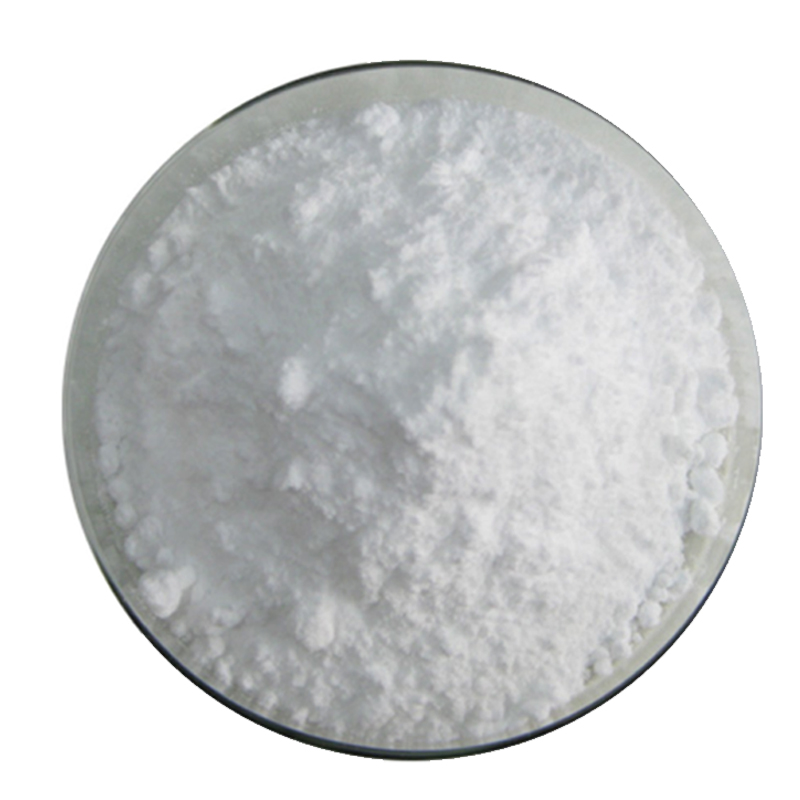
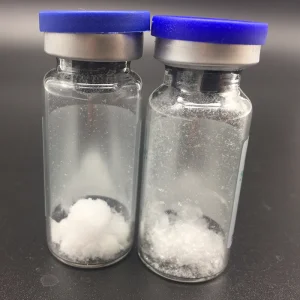
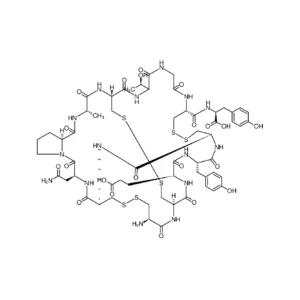
Eptifibatide (integrilin) is a novel polypeptide platelet glycoprotein IIb/IIIa receptor antagonist, which inhibits platelet aggregation and thrombosis by inhibiting the last common pathway of platelet aggregation. Compared with the monoclonal antibody abciximab, eptifibatide has a stronger, more directional and specific binding to GPIIb/IIIa due to the existence of a single conservative amino acid substitution—lysine to replace arginine. Therefore, it should have a good therapeutic effect in the interventional treatment of acute coronary syndrome.
Platelet glycoprotein IIb/IIIa receptor antagonist drugs have been developed significantly, and currently there are 3 kinds of preparations that can be used clinically internationally: abciximab, eptifibatide, and tirofiban. There is limited experience in the use of platelet glycoprotein GPIIb/IIIa receptor antagonists in certain regions, where available options remain restricted, such as tirofiban hydrochloride. Therefore, the adoption and development of advanced platelet glycoprotein IIb/IIIa receptor antagonists are imperative.
Classification of Antiplatelet Aggregation Drugs
Antiplatelet aggregation drugs can be roughly divided into three main categories:
Cyclooxygenase-1 (COX-1) inhibitors: Such as aspirin.
Inhibitors of platelet aggregation induced by adenosine diphosphate (ADP): Such as clopidogrel, prasugrel, cangrelor, ticagrelor, etc.
Platelet glycoprotein IIb/IIIa receptor antagonists: Such as abciximab, eptifibatide, tirofiban, etc.
In addition, there are prostaglandin EP3 receptor inhibitors, newly synthesized chemical components, and effective extracts derived from traditional medicine.
Frequently Asked Questions
What is Eptifibatide and how does it function?
Eptifibatide is a novel polypeptide platelet glycoprotein IIb/IIIa receptor antagonist. It works by inhibiting the final common pathway of platelet aggregation, preventing blood clot formation and thrombosis.
What is the advantage of Eptifibatide compared to monoclonal antibodies like Abciximab?
Due to a specific conservative amino acid substitution (lysine replacing arginine), Eptifibatide demonstrates stronger, more directional, and highly specific binding to the GPIIb/IIIa receptor.
What are the recommended storage conditions for Eptifibatide?
Eptifibatide should be kept sealed in a dry environment and stored in a freezer at temperatures below -15°C.
What medical conditions is Eptifibatide primary target for?
It is designed to deliver effective therapeutic results in the interventional treatment of acute coronary syndrome by inhibiting platelet aggregation.
What are the main classifications of antiplatelet aggregation drugs?
They are primarily categorized into COX-1 inhibitors (e.g., aspirin), ADP-induced aggregation inhibitors (e.g., clopidogrel), and GPIIb/IIIa receptor antagonists (e.g., Eptifibatide, tirofiban, abciximab).